

Can we please stop with the corporate jargon?

I saw a big company saying recently that it was taking a balanced approach in navigating a dynamic operating environment.
What the hell does that even mean?
All operating environments are dynamic. And of course you’re taking a balanced approach. Why would you take an unbalanced one? That sentence is known as a nothing burger.
We see this mindless corporate-speak everywhere these days. Every business calls itself your partner of choice. They claim to run seamless end-to-end processes. Some say they are optimising the operating model for agility and resilience. Others are proudly harnessing data-driven insights to enhance stakeholder value. Or de-risking transformation through proactive change management.
I am seriously struggling to stop myself from writing a whole load of swear-words right now. Because really, what nonsense language is this? Guys, please stop talking like a malfunctioning PowerPoint template. Who puts these words in your mouths? Why are you turning English into corporate bubble-wrap? Stop polishing this emptiness to try to make it shine.
This actually shows a lack of substance in your thinking. You all sound exactly the same, which is the opposite of strategic. It’s lazy and meaningless. It’s a false badge of professionalism: you sound serious while saying nothing, and everyone politely pretends it counts as work. It replaces decisions with theatre. The slide looks busy, the room nods, nothing moves.
This is strategy cosplay. Ordinary operational chores are being dressed up as transformation so that it sounds heroic. But talking like everyone else is not strategic at all; if your language is generic, your thinking probably is too. Everyone has the same dynamic environment. Everyone leverages synergies. Everything is seamless end-to-end. That sameness is the opposite of strategy. Strategy is choices. Strategy is difference. Strategy is the courage to be specific enough to be wrong, then learn. Jargon is the coward’s camouflage. It is designed to be unfireable, not useful.
And it signals fear of simplicity. Clear language would reveal the gaps in logic, so the language stays complicated.
Corporate babble also forgets that employees and customers are people. Real humans don’t live in operating environments; they live in hopes and fears; stymied careers; queues and errors; late deliveries and bad service days.
Jargon is just organisational incense. You wave it around in meetings to create the smell of seriousness, and everyone pretends they can’t see the empty hands. This is strategy the way a screensaver is productivity. We’ve reached the stage where adjectives are doing the work and nobody else is.
Take a look at that paragraph you’re just about to put into your annual report or media briefing. If it could work for a bank, a biscuit factory, or a space programme—that right there is the problem.
Let’s please retire most of these phrases to a nice upcountry farm, where they can run free and never appear in another corporate communication.
So what do I want you to do instead of babbling in consultantese?
First, remember language is a proxy for thinking. The key aim is not to find better words; it’s to sharpen your thought. If you’re the boss, always ask this: what are we really saying here? The answer to that simple question will be telling. If you get even more convoluted jargon in response, there’s something very wrong with the logic.
Second, business language needs verbs, not vibes. Your team needs instructions, not wafts of incense. To have a result, we will drive seamless end-to-end journeys needs to become we will fix these three customer pain points by March, and here’s who owns each one. Make this a leadership habit. Tell your people you want: one sentence of context, one sentence of action. That alone would change half the meetings on earth.
Third, adopt a “teenager test.” Read your jargon out loud to a smart layperson. Ask them what they think your business is going to do. If they have no idea, ditch those words fast.
So the SO WHAT is simple:
Less theatre, more truth.
Less mood, more movement.
Speak and write so that a normal person could walk out of the room and do something different tomorrow.
THE SIGNAL IN THE NOISE
Talk like a human if you expect humans to move.
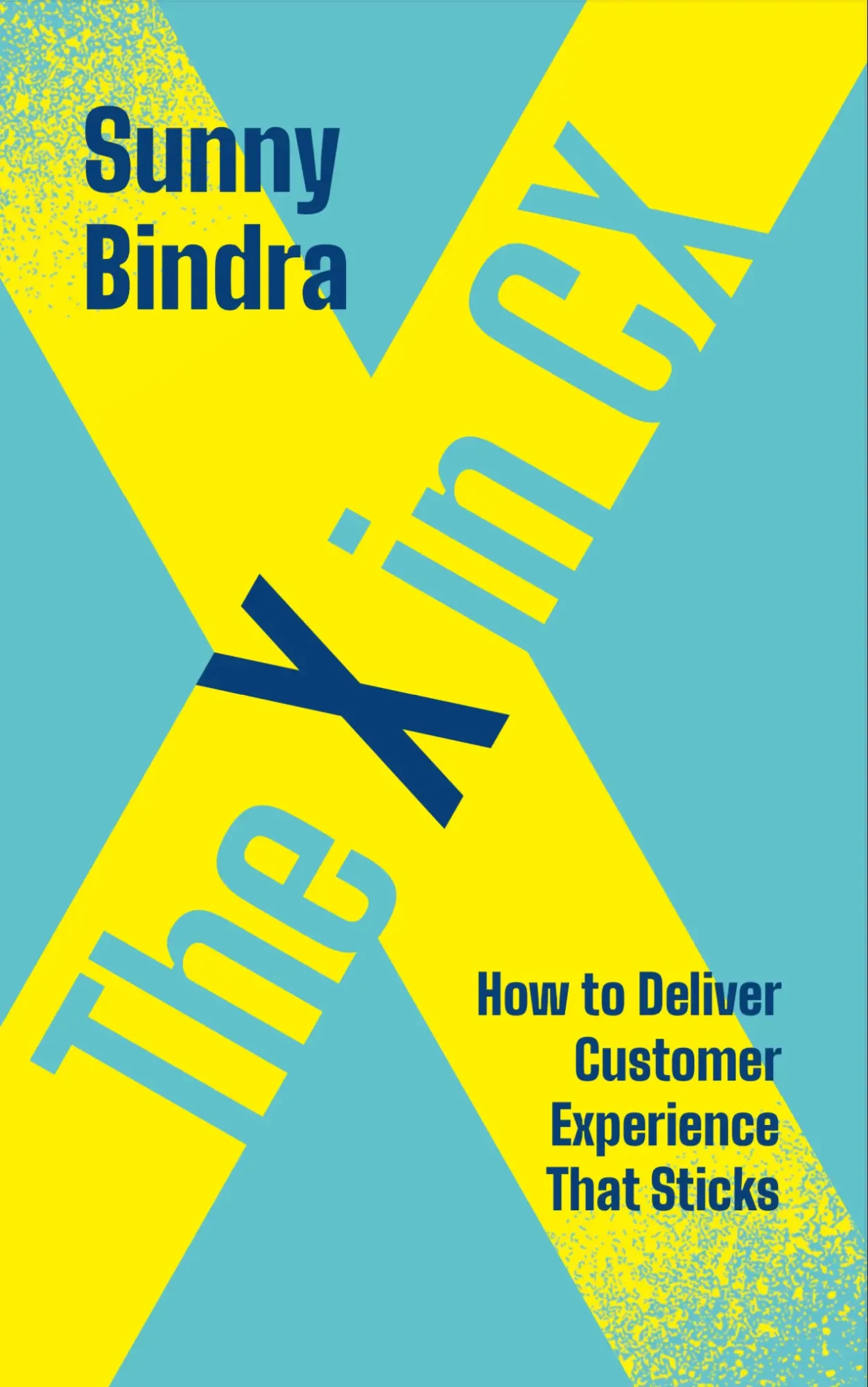
Buy Sunny Bindra's new book
The X in CX
here »




Popular Posts
 Make this your year of being boringJanuary 4, 2026
 My books of the yearDecember 14, 2025
 Can we please stop with the corporate jargon?January 11, 2026
 Confessions of an explaining personDecember 7, 2025
 Here’s why you should become foolishNovember 30, 2025