

How things fall apart
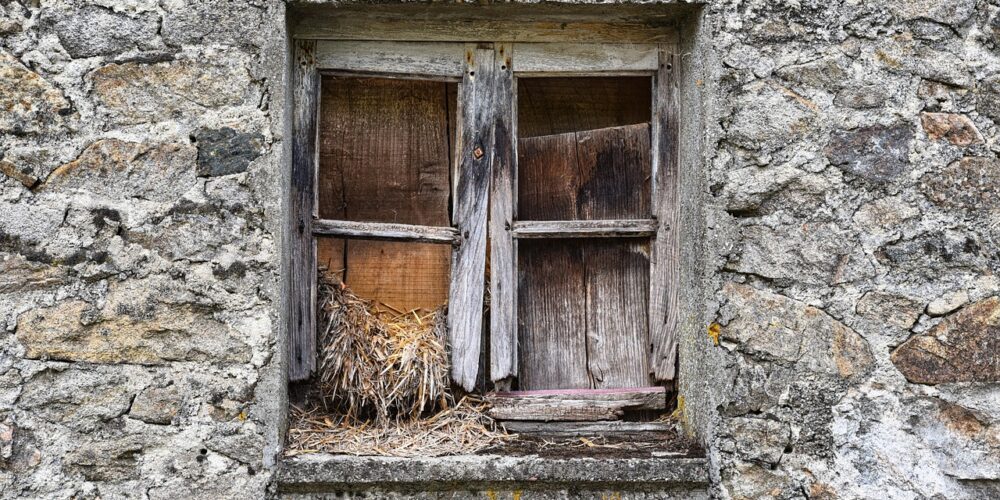
Everything crumbles, eventually. What we assemble comes apart again, sooner or later.
The physical structures we put up will someday come down, however robust they look today. The institutions and businesses we design, build, and nurture may enjoy proud runs, then fade. Globe-spanning empires—Roman, British, American—end up buckling under their own weight.
Even our best human relationships change shape. Some deepen, some thin out, some end.
Am I being terribly gloomy this Sunday? I’m simply restating the second law of thermodynamics: left alone, energy spreads out. Differences flatten. Things become harder to keep in shape. Entropy is the universe sending the invoice for everything we try to hold together.
Let me riff on some thoughts by Shane Parrish that I found in fs.blog.
Is the room you’re in quite beautifully organized right now? Mine is, because I just ordered and arranged it. Enjoy the look, as I am, because it won’t last. It could soon become a place of chaos, with things strewn everywhere. Unless you keep reordering it every single day. And even so, you will not be there to keep expending that energy, and so your successors in that space will have to do the needful. Or not.
That was just your room. Some say this entire universe may someday run out of energy.
That’s what the second law says: order requires ongoing input. Homes need maintenance. Relationships need attention. Businesses need renewal. Bodies need care.
Order collapses unless someone keeps restoring it. Not because life is tragic, but because drift is the default setting. So we’re not talking about the melodrama of “everything just gets worse.” The truer statement is: “keeping everything ordered requires work, always.”
Stop supplying effort and see what happens. Rust. Rot. Drift. Clutter. Forgetting. And then collapse.
A relationship doesn’t usually end because of one big villainous act; it collapses because attention slowly emigrates. A business doesn’t lose its edge only because a competitor out-innovated it; it also loses because bureaucracy accretes like plaque, because small compromises become habits, because people stop saying the truth in meetings. Institutions and empires don’t just fall, they fray: standards slip, maintenance is deferred, incentives bend, the edifice becomes brittle.
The centre can’t hold, because the centre can’t listen.
The first lesson of entropy? Maintenance and attention. Stop those and you stop everything. The unglamorous work prevents the glamorous collapse. Paying attention means noticing early, before cracks become canyons. Attention is eyes-open leadership.
The second lesson is even deeper, more philosophical. Everything that is built will, eventually, unbuild. Bodies return to a bunch of chemicals. Relationships change intensity and shape, or just meet a full stop. Great brands become case studies in inattention. Nations have their borders redrawn.
Pessimism, you think? No, just reality without the perfume. The problem is not that things end; the problem is that we build as though endings are a scandal instead of a natural part of the deal.
Acceptance here doesn’t mean passivity. It means dropping the fantasy of permanence and shifting to a better aim: stewardship.
Stewardship says: “I will tend what I can, for as long as it’s mine to tend, and I won’t confuse my tending with immortality.” It’s a posture that’s both humble and fierce. Humble because you stop demanding that life sign a guarantee. Fierce because you take responsibility for the bit of order you can sustain.
In practice, this leads to a few sharp implications.
First, design for decay. Build organisations and relationships expecting drift. Put renewal on the calendar, not in the list of vague intentions. If you don’t schedule reinvention, entropy will schedule it for you, at a terrible time, in a terrible tone.
Second, treat maintenance as strategy, not housekeeping. The CEO who invests in culture, capability, systems hygiene, and truth-telling isn’t being nice; they’re fighting the laws of organisational physics.
Perhaps most importantly: make peace with endings, then build again. If you accept that chapters close, you stop clinging to dying forms. You become more willing to prune, simplify, exit, repair, apologise, reset. You trade nostalgia for responsiveness.
There’s also a human twist that I find consoling: entropy is why care matters. If everything stayed pristine automatically, love would be redundant. The fact that things fall apart is precisely what makes attention sacred and maintenance meaningful. We are, in a sense, gardeners in a universe that keeps trying to become wilderness.
The universe doesn’t hate us. It isn’t personal. Entropy is just the default setting. The only question is whether we show up each day with a little energy, a little honesty, and a willingness to keep the important things from quietly sliding into dust.
THE SIGNAL IN THE NOISE
Show up daily, or dust wins.
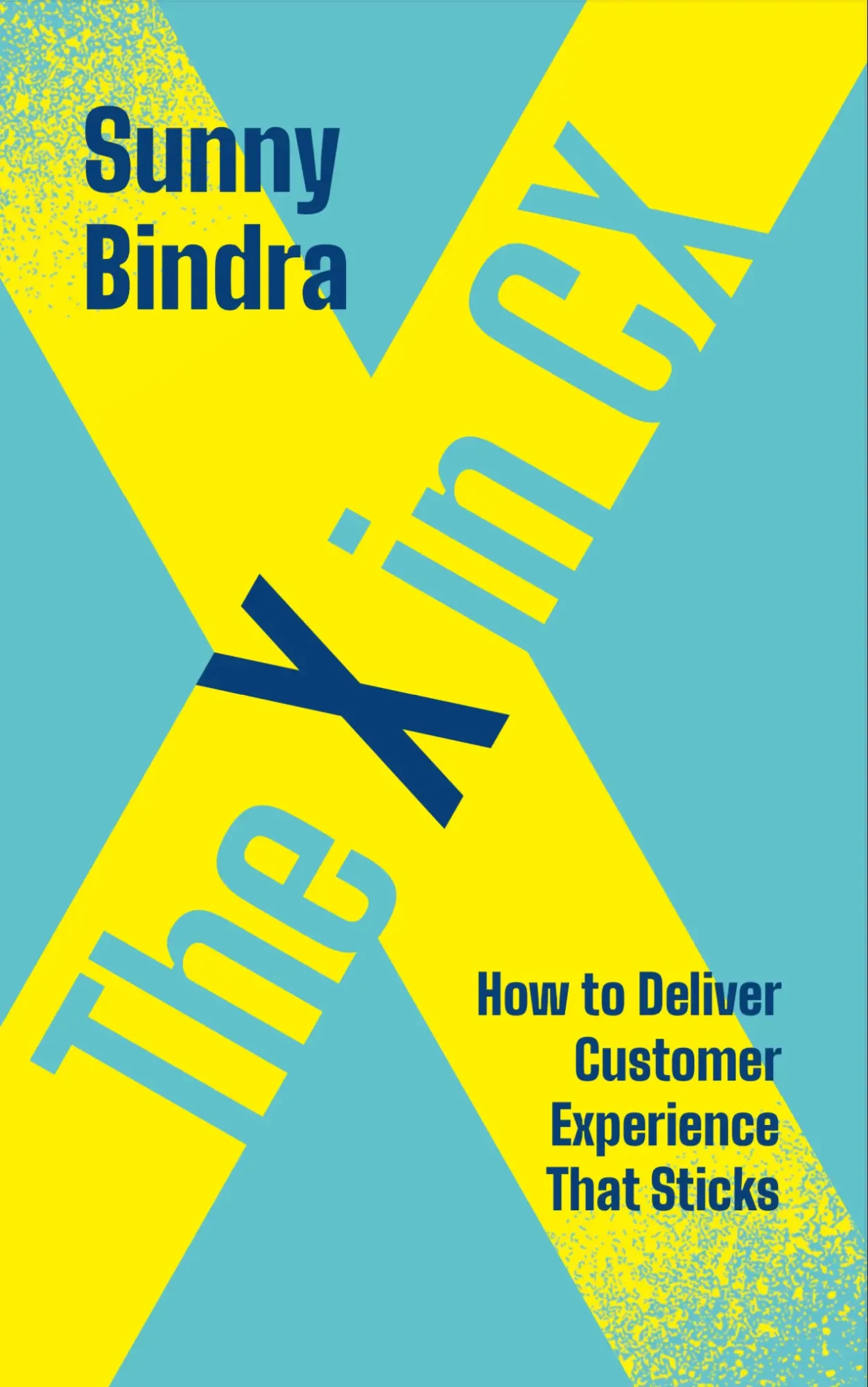
Buy Sunny Bindra's new book
The X in CX
here »




Popular Posts
 What are we doing to our young?June 7, 2026
 When digital eats the experienceJune 14, 2026
 When strategy loses its soulMay 31, 2026
 The most dangerous personJune 21, 2026
 Directionally, not preciselyMay 24, 2026