
How clever people become stupid
I have, in my time, sat in rooms where very clever people make very stupid decisions.
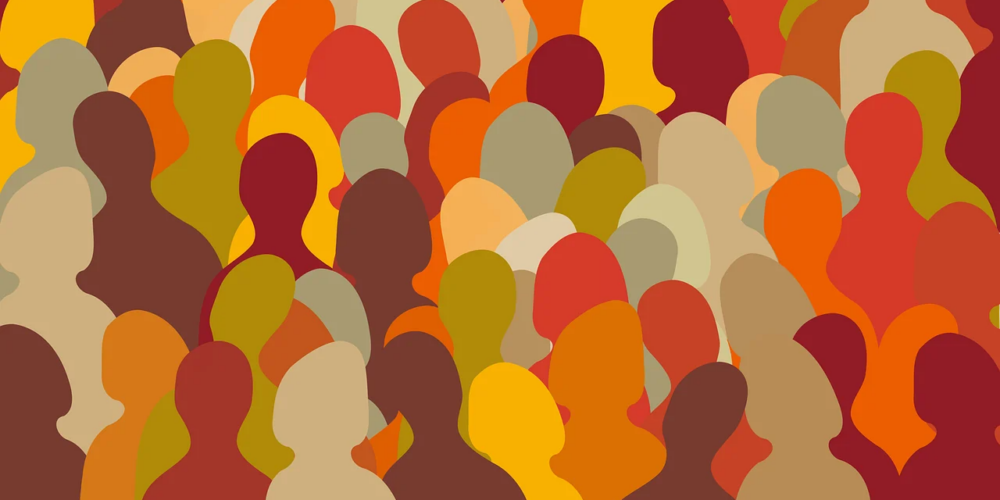
I have also been part of stupid decisions, both alone and in a group. The greater stupidity comes from being in the crowd. A character in Ian McEwan’s book Black Dogs observed: “A crowd is a slow, stupid creature, far less intelligent than any one of its members.”
Even clever people can come together and watch their collective intelligence disappear. How can this happen?
Dietrich Bonhoeffer was a German theologian who watched an educated, sophisticated nation embrace Nazism, surrender its judgement, and descend into unspeakable cruelty. His conclusion, in 1942: “Stupidity is a more dangerous enemy of the good than malice.”
You can recognize wickedness, expose it, argue against it, marshal others to stop it. But what to do with stupidity? The stupid person is impervious to evidence. Contrary facts are lies and fake news, rejected even before they are heard or understood. Truths that are inconvenient are dismissed. Realities are opinions to be ridiculed. The stupid person is often utterly and totally convinced of being right. Challenge that certitude, and you may encounter dangerous hostility.
The real surprise is that stupidity is not the absence of intelligence. It is a social phenomenon. Even clever people can be made stupid by their circumstances, especially by powerful, charismatic leaders and movements demanding allegiance. People dumb down to fit in.
So sometimes it’s the fear of being on the wrong side, of being left out. Sometimes it’s the need to belong and be part of something. Sometimes it’s coming under the spell of a hypnotic leader. Sometimes it’s becoming over-invested in an ideology or idea. Sometimes it’s the draw of wanting to have the same beliefs as respected people.
Look around the world today, and see all this playing out all over again.
Religious cults whose followers surrender their judgement, their possessions, even their lives, in thrall to a supposedly infallible leader.
Political movements that construct false enemies and fake conspiracies and enable abject cruelties.
Political followers who are being fleeced and fooled but continue to defend obvious fraudsters.
Online communities that believe utter nonsense because their peer group believes it.
Let’s not forget the world of business, either. Boards full of distinguished thinkers can become entranced by a charismatic founder or a game-changing strategy. Obvious flaws can be overlooked when under the spell.
A high IQ, decades of experience, an inbuilt morality, a gleaming array of credentials from the best institutions. All count for nothing when the hex is on. Anger, frustration, resentment, greed, lust. The stupidest world-changing decisions can come from these base emotions.
We all have our tribes, our teams, our loyalties, our cherished opinions, our trusted people. That’s probably where our greatest stupidities will emerge. The people caught in these conditions aren’t necessarily cowardly or gullible or intolerant. They can be ordinary, decent people responding to the powerful need to be seen and heard and belong.
Perhaps the greatest mark of genuine intelligence, then, is the willingness to entertain the possibility that I, or we, could be wrong.
Bonhoeffer believed this kind of stupidity is not necessarily permanent. People can recover discernment and independent thinking when the conditions that suppressed them change. It is possible to create environments and cultures where doubt and difference are welcomed, and where disagreement does not carry a penalty.
But it’s difficult to pull off. Facts and reason rarely break the spell. Sometimes it takes the fall of a powerful leader, a painful collision with reality, or someone with the courage to break ranks. Even then, there is no guarantee that minds will change. But one responsibility is inescapable, especially for those who hold power. When we punish dissent, reward unquestioning loyalty, and make disagreement dangerous, we are not merely tolerating collective stupidity. We are creating it.
THE SIGNAL IN THE NOISE
The most dangerous stupidity is the kind we commit together.
Buy Sunny Bindra's new book
The X in CX
here »




Popular Posts
 Must everything have a purpose?October 11, 2026
 Your culture may be your real strategyOctober 18, 2026
 When your success becomes your weaknessOctober 25, 2026
 Why you must keep a contrarian on your teamOctober 24, 2008
 We are all becoming merchandiseNovember 1, 2026