

We are all becoming merchandise

I am but merchandise
laid out in the lanes of the bazaar.
Every gaze that falls upon me
is a buyer’s, flashing its price.
That’s my translation of the opening verse of a literary gem, hidden inside a largely forgotten movie from decades back.
Majrooh Sultanpuri wrote it; Madan Mohan composed it. Lata Mangeshkar sang it. Three geniuses, three unforgettable couplets. The song is Hum hain mata-e-koocha-o-bazaar, and it appeared in the Bollywood movie, Dastak.
It is performed by a married woman forced by financial desperation to sing to seedy and leery men.
And it makes me wonder: are we all becoming mere merchandise? Every space is a lane in the bazaar; every gaze has the hope of a transaction. We live in an age of being looked at, not for ourselves, but for what we offer. By markets, employers, clients, audiences, algorithms, social media. We are always being scanned for utility, appeal, status, potential return. A human is perhaps just inventory with a pulse, laid out in the stalls of the marketplace.
If every gaze is a buyer’s gaze, life itself starts to warp. Work, friendship, romance, even kindness can become contaminated by calculation. Is this worth my while? Why should I care? What’s in it for me? Those are the everyday questions of capitalism; and the ones that degrade human relationships.
When human beings begin living as merchandise, meaning gets reduced to entries on a ledger.
First, everything is a performance. We dress for success; we position for a sale. We profess to have a higher purpose, as part of the packaging. We explain our character, so earnestly, as part of our brand. Our life experiences become content. Inner life? Unimportant. Let the publicity team evict it. It’s showtime, baby. No truths needed here.
Next, your relationships become stealth commerce. Conversations that are unnaturally warm on the surface, stone-cold below. Laughter at your jokes that is a little too gushing. Praise that is cloying in its effusiveness. No one is appreciating you; they are appraising you. What can you do for them? Open doors, maybe. Shift products, perhaps. Widen reach, possibly. Win-win? Now we’re talking. I like you already.
And this is where there’s a problem. When it’s all transactional, nothing is meaningful beyond the transaction. Surely there must be more to life than what we can gain from one another. The marketplace of self-gain has nothing to say about that.
You may know that you are wanted, but never know if you are loved, liked, respected, or appreciated. Markets may be superb at pricing and sorting, but they are useless at measuring the worth of a life. Even your children can be faking affection in order to land the inheritance.
If everyone is curating, signalling, leveraging, optimizing, no one is quite real outside the exchange. We think we are making friends, when we are just being networked. We think we are expressing ourselves authentically, but it is all in service of the personal brand story. We think we are cared for, but the empathy on display is strategic and selective. We claim to have a common culture, but all that sharing is in pursuit of more lucre.
The problem is not transaction itself. We need trade, negotiation, and reciprocity. Societies and economies cannot function without organized exchange. But we should not want the mentality of transacting to seep into every human space. The bazaar should not move into love, friendship, work, leadership, art, learning, and identity.
I, too, am in business. I position my wares, including these words. I sell when I add value to the lives of my buyers. Without those transactions, I would be penniless and desperate. And yet. I try very hard not to be in the game of pure monetization. I stay away from praise-singing and performative friendship. I avoid friendly coffee meetups with other agendas. I don’t regard my employees as assets in my portfolio.
It’s difficult, but we can all transact every day without becoming transactional people.
Once you start living for the buyer’s gaze, you stop inhabiting your own life and start merchandising it. A decent society, and a decent life, depend on keeping some things beyond purchase. Friendship that expects nothing. Kindness that seeks no return. Truth that is hard to hear and harder to sell.
THE SIGNAL IN THE NOISE
There must be places in our lives where the bazaar cannot enter.
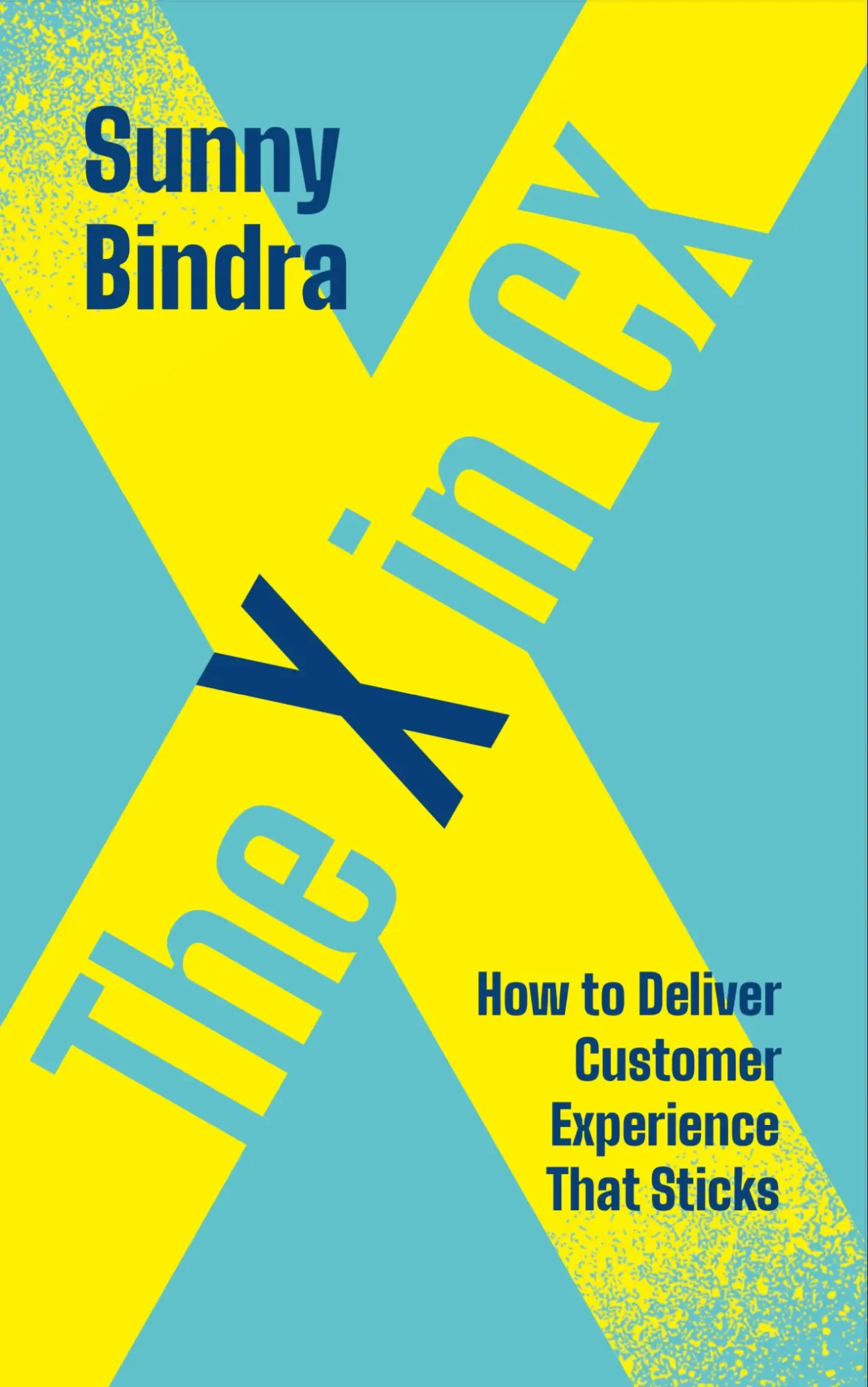
Buy Sunny Bindra's new book
The X in CX
here »




Popular Posts
 Must everything have a purpose?October 11, 2026
 Your culture may be your real strategyOctober 18, 2026
 When nothing goes wrong, but you’re still in troubleOctober 4, 2026
 Why you must keep a contrarian on your teamOctober 24, 2008