
The philosophy of sturdiness

My dining table is more than 50 years old.
My parents bought it when they moved house in the 1970s. It was a great novelty then: round, with a revolving centre for serving yourself, otherwise found only in the Chinese restaurants of the day.
It was passed on to me a couple of decades ago. I looked at it the other day, and thought: this thing could easily last another 50 years. It is sturdy and stable. The revolving centre glides as smoothly as ever, and it still wears its original high-sheen varnish.
It was clearly built to last, as were so many things made in those days.
It makes we wonder: decades from now, will our children be holding anything made today?
My table was built in an age when durability had status. Today, so much of what we buy is designed around lower cost, faster cycles, easier replacement, thinner margins, and shorter emotional attachment. Ours is a world that rewards turnover. Not just furniture, but clothes, gadgets, and software are designed to be sold quickly, replaced quickly, disposed of quickly. Fashion is fast, and software is faster. The repeat purchase trumps lasting worth.
We do not just make flimsier things; our intentions have also become flimsier.
Sturdy objects suggest patience. Pride in one’s craft. Careful selection of materials. And makers who assumed they would be judged over time. Disposable objects suggest speed, convenience, and a need for immediate gratification.
I often ask chief executives if they would be interested in doing an exercise to generate a 25-year strategy. Why that long? Because we will all be gone by then. We would not be strategizing for ourselves, but for those who come after us. If we made that our focus, we would build institutions that endure.
There are few takers.
This era is about speedy returns on investment. It maximizes personal reward in the here and now. Who wants to think that far out? Tomorrow will take care of itself.
We speak endlessly of innovation, disruption, and speed, but perhaps one mark of a serious civilization is whether it still knows how to make things that stay. Not everything should last forever. But more of what we build should deserve the chance.
Leaders should ask themselves a question that rarely appears on performance dashboards: is there anything I am building now that will outlast me? A sturdier culture. A fairer system. A business that can stand without my shadow falling across it. A generation of people better trained, better trusted, and better equipped than the one before. Legacy is not the plaque on the wall. It is what remains useful after your name has faded from the door.
Sturdiness, then, is not just a product feature. It is a philosophy. It asks whether we are building for applause or endurance, for extraction or stewardship. It prefers sound joints to shiny surfaces, repair to replacement, and depth to dazzle. The same test can be applied to institutions, careers, relationships, even to the habits by which we live.
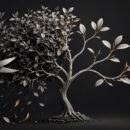
Nature, as usual, has already worked this out. Some things are meant to be brief. A flower can be gone tomorrow and still have done its work. But a tree is another proposition altogether. It grows slowly, roots deeply, and may cast shade for generations to come. Human life needs both kinds of creation. But this age has become too fond of flowers, and too impatient for trees.
THE SIGNAL IN THE NOISE
Not everything must last. But more of what we build should deserve to.
Buy Sunny Bindra's new book
The X in CX
here »




Popular Posts
 The things I’ve been wrong aboutAugust 16, 2026
 The wisdom of lessAugust 23, 2026
 Can we disarm AI?August 2, 2026
 Who is regretting the inconvenience?August 9, 2026