

The mathematics of a good life
More or less.
Mrs B used that term recently when explaining that things never work out perfectly well. Never. All that we can expect from life is that it’s more or less OK.
There or thereabouts. In the round. Give or take. By and large. On the whole. All things considered. On balance. So-so. For the most part. In the main. In the ballpark. Near enough.
English is littered with these terms and phrases. So are other languages:
Comme ci, comme ça. Más o menos. Maa maa. Theek thaak. Si mbaya. Takriban.
Human beings everywhere have invented language for imperfection. Why do the words of humans have so many ways of expressing so middling a result? Of saying things are just OK, not better than that?
I think it’s because those are facts of life. Nothing ever plays out immaculately. Everything is in some way a disappointment. It’s all pluses and minuses. If we take two steps forward, we usually find ourselves going back one.
Prolonged success is rarely the lot of the human. All achievements fade, all glories are short-lived, all joys come with sadnesses attached.
Is that too depressing a take? Not at all. It is merely an embrace of reality, and in that embrace sits a profound freedom. We can be free to have acceptable lives, because that’s the only kind available.
But the deeper lesson here is not about mediocrity; it is about mixture.
Almost everything worthwhile arrives mixed. Success contains cost. Love contains vulnerability. Achievement contains anticlimax. Pleasure passes. Progress reverses. Good decisions still produce bad consequences. A beautiful holiday has a delayed flight and someone gets food poisoning. A wonderful career contains years that were rubbish. A happy marriage contains differences, boredom, illness, anxiety.
The whole is still good. Just not immaculate.
We have somehow acquired a cultural expectation that outcomes ought to be clean: success, happiness, fulfilment, transformation. But lived experience stubbornly presents us with compound results. You win and lose something. You arrive and discover another problem. You get what you wanted and find that wanting does not stop.
Too cynical, you say? Nope. Too real, if anything. And truly liberating. Once we are freed from the delusion of perfect results, we become ready to work for what’s really possible.
Demanding perfection in a world that only has imperfections is the enemy of appreciation. If we require our day, our marriage, our children, our career, our business, our country—or the whole of our life—to be unambiguously good, we are only manufacturing our own inevitable disappointment. “More or less” restores proportion. “All things considered” asks to see the whole ledger.
Today’s language is all about the metrics: ratings, rankings, reviews, likes. Perhaps older language remembers something more real: good enough is not failure; it’s all we get.
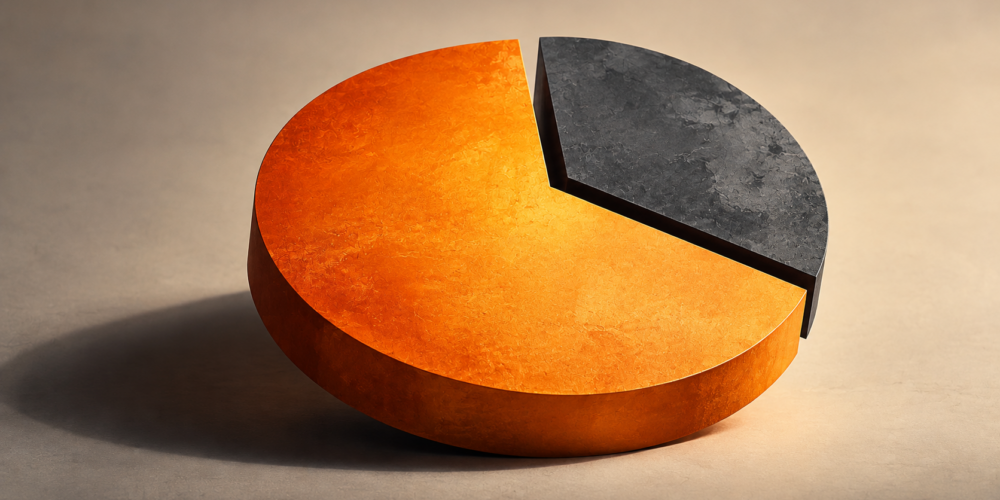
Sixty per cent may not look like a great result in the exam room or the boardroom, but it is in the living of life. It’s more good than bad. And if you hit 67 per cent overall? Two things good for every bad?
That’s rather fine.
More or less.
THE SIGNAL IN THE NOISE
If the good outweighs the bad, don’t demand a recount.
Buy Sunny Bindra's new book
The X in CX
here »




Popular Posts
 We’ll all have to think againSeptember 13, 2026
 The wisdom of lessAugust 23, 2026
 CX that’s all tech and no soulSeptember 20, 2026
 Built the app, forgot the flowJune 22, 2025